If you picture slipping a kayak into Casco Bay from your own backyard, the terms on your deed matter more than you think. In Yarmouth, the difference between deeded waterfront and shared water access shapes how you use the shore, what you can build, and the lifestyle you enjoy. This guide breaks down the practical tradeoffs, permits, moorings, and real costs so you can buy with confidence. Let’s dive in.
Waterfront vs. water-access in Yarmouth
What deeded waterfront means
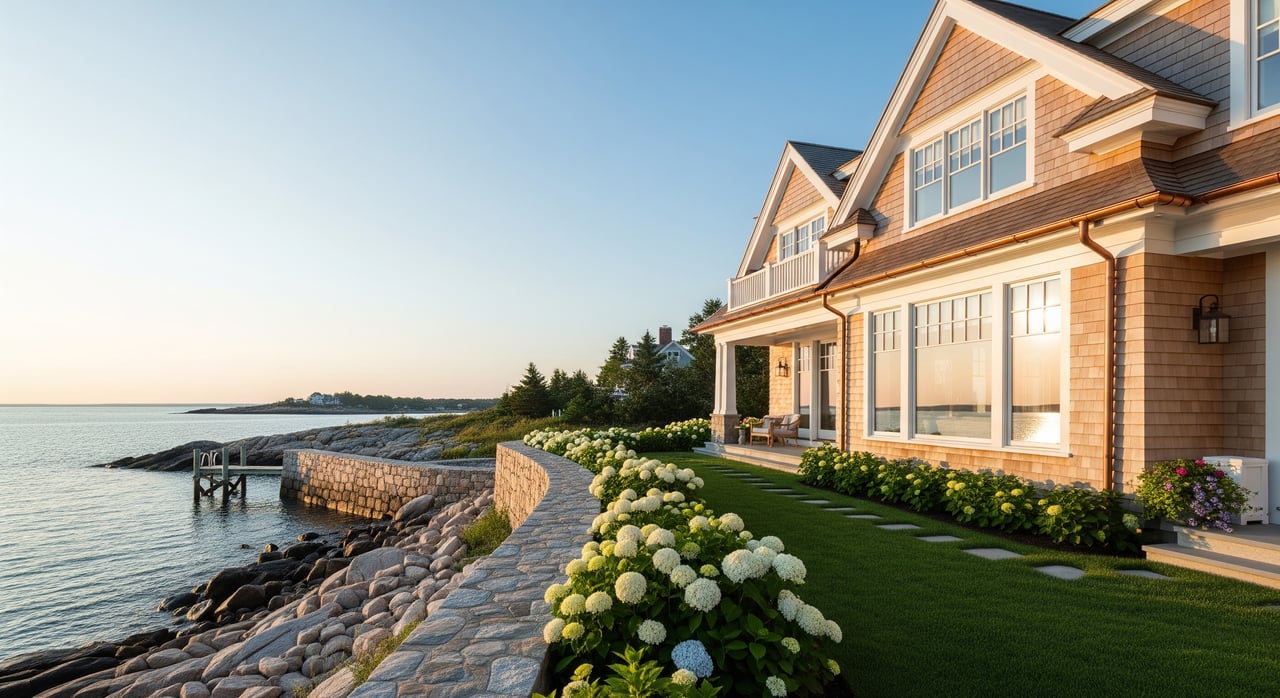
Owning deeded waterfront usually means your property lines extend to the shore or a defined tidal line. You get exclusive shore access and more control over stairs, beach paths, and private amenities. That said, any dock, float, or shoreline work still needs local, state, and sometimes federal approval. Waterfront parcels also tend to carry higher market values and property taxes.
What water-access or ROW means
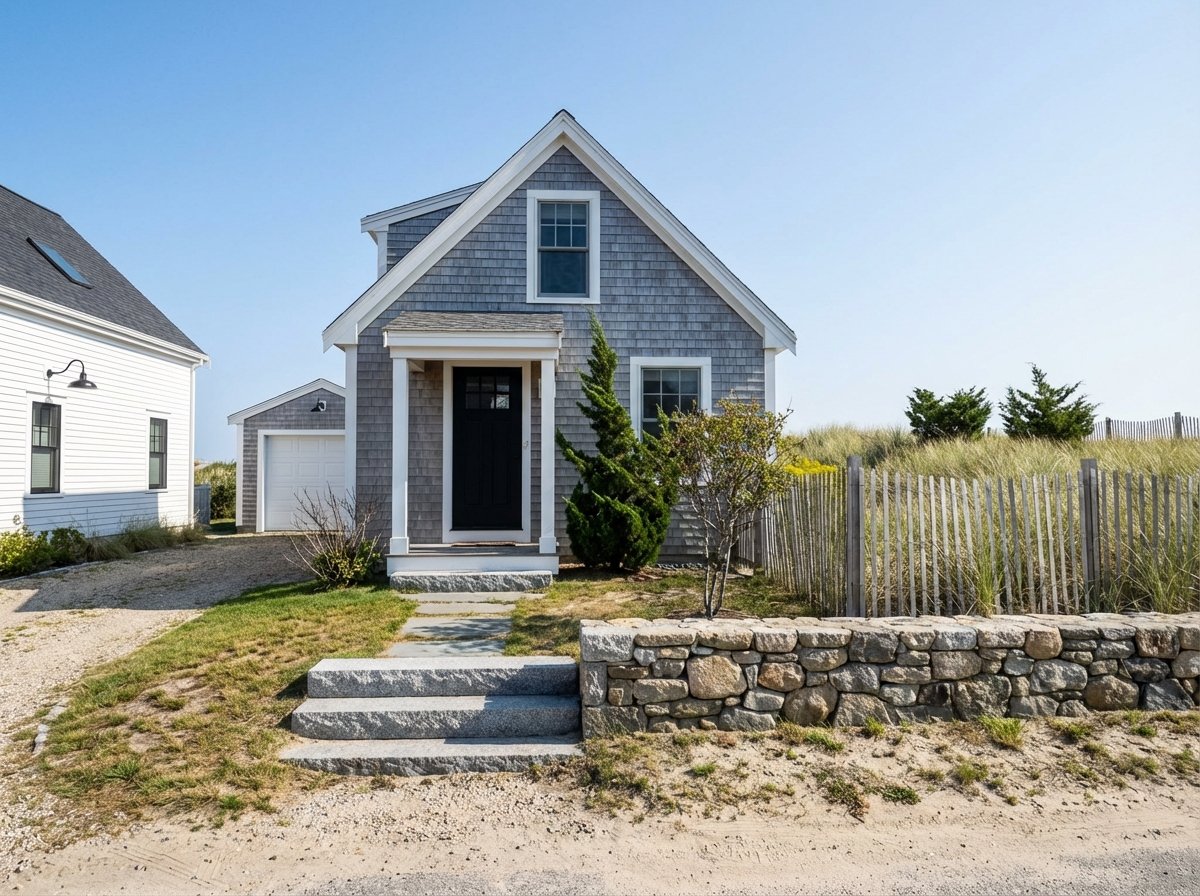
Water-access homes rely on a recorded easement or association right to reach the water. In Yarmouth you will see private rights of way, HOA or association access, and occasional public access points. Use is nonexclusive and can be limited by parking, hours, and association rules. Most shared access does not automatically allow a private dock or a personal mooring without separate permission and permits.
Littoral, riparian, and public rights
Royal River vs. Casco Bay
If a property fronts the Royal River, your rights and regulations fall under riparian principles for flowing water. Direct shoreline on Casco Bay involves littoral rights tied to tidal waters. The distinction affects tide conditions, mooring administration, and which rules apply to docks, floats, and shoreline work.
Intertidal zone and navigation
Even with deeded waterfront, public navigation rights apply in tidal waters. Ownership can be tied to mean high or mean low water lines, but the intertidal zone often carries public trust uses like navigation and sometimes fishing. A private dock or float must avoid interfering with navigation and must fit within recorded boundaries and permits.
Docks, moorings, and permits
Who regulates in Yarmouth
- Town of Yarmouth Harbormaster and Harbor Committee oversee mooring rules, permits, and municipal floats.
- Town of Yarmouth Code Enforcement and Planning and Zoning handle shoreland zoning and local permits for stairs, seawalls, and shoreline structures.
- Maine Department of Environmental Protection manages NRPA permits for tidal areas, wetlands, fill, and dredging.
- Maine Department of Marine Resources monitors shellfish, eelgrass, and certain marine gear rules.
- U.S. Army Corps of Engineers may require permits for work in navigable waters.
- FEMA provides flood zone designations that can influence insurance and building decisions.
Dock or float approvals
Work that involves tidal waters, pilings, or floats typically needs approval. Activities that change tidal flow, disturb eelgrass or shellfish habitat, or add fill or hard armoring are closely reviewed. Seawalls can face added scrutiny and may be discouraged in favor of living shoreline approaches. A common sequence looks like this:
- Confirm deed lines and shore ownership.
- Consult the harbormaster on mooring and float rules.
- Apply with Town Code Enforcement for local permits.
- File state applications with Maine DEP and, if needed, DMR.
- If required, apply to the U.S. Army Corps of Engineers.
Timelines vary based on site conditions and habitat reviews.
Mooring logistics
Many Maine towns run mooring systems through a harbormaster with resident rules and waitlists. Even with deeded waterfront, you may not have automatic rights to place a mooring. Private moorings must meet placement, safety, and maintenance standards. A dock offers direct access at some tides, while a mooring often requires a skiff or tender and careful planning for tidal range.
Daily life and costs
Everyday convenience
- Deeded waterfront: Immediate shore access for swimming, launching small boats, and added privacy. You have more flexibility to create amenities, subject to permits and habitat constraints.
- Shared access: Access can work well for kayaking or a quick swim, but you share space and must follow rules for parking, storage, and hours. Private structures are usually limited or not allowed.
Cost snapshot
- Purchase price: Waterfront homes often sell at a premium over comparable water-access homes, especially with strong views and scarce shorefront.
- Ongoing upkeep: Expect maintenance for stairs, vegetation, and any permitted dock or seawall.
- Insurance: Properties near water can face higher homeowner premiums and may need flood insurance if mapped in a FEMA flood zone.
- Taxes: Waterfront parcels often have higher assessments.
- Harbor fees: Mooring permits have annual fees, and marina slips carry seasonal costs.
- Liability: Waterfront owners should consider risks tied to shore use and any easements on the property.
Resale and long-term value
Waterfront homes can command premium prices but attract a focused buyer pool. Documented permits for docks and shoreline work help marketability. Water-access properties appeal to buyers seeking coastal living with lower costs and simpler upkeep. Clear recorded rights, parking clarity, and well run associations support value over time.
Buyer due diligence checklist
- Deed and title
- Get the recorded deed and all easements or covenants. Confirm if the boundary reaches a tidal line and what rights are granted.
- Ask for a recent title search and title insurance. Note any access or municipal reservations.
- Survey and boundaries
- Order a current survey showing mean high and mean low water lines if the shoreline is part of the parcel.
- Permits and improvements
- Request permits for any dock, float, stairs, seawall, or dredging. Confirm if structures are permitted or grandfathered.
- Check for open code enforcement items.
- Harbormaster and moorings
- Speak with the Yarmouth Harbormaster about rules, waitlists, municipal moorings, and whether a mooring is allowed near the parcel.
- Ask if private moorings require separate approvals or if any recorded right applies to a float.
- Environmental constraints
- Review habitat considerations for eelgrass or shellfish with Maine DMR or DEP. Understand how they could limit structures.
- Flood and insurance
- Check FEMA flood maps for zone and base flood elevation. Get quotes for homeowner, flood, and wind coverage.
- Access logistics
- For shared ROWs, confirm the recorded language, parking terms, allowed vehicles, and who maintains the ROW.
- If access crosses private land, verify maintenance obligations and cost sharing.
- Utilities and septic
- Confirm septic location and shore setbacks. Replacements or upgrades near the shore can face limits.
- Local usage and neighbors
- Ask about common uses at the access point, seasonal congestion, and any association rules.
- Legal counsel
- For complex easements or major shore plans, consult a Maine attorney who handles coastal property law.
Choosing the right fit in Yarmouth
If you want daily waterfront living, privacy, and potential for a dock or private float, deeded waterfront can be worth the premium when permits are feasible. If you prefer occasional kayaking and views without the maintenance, shared access can be an excellent value. In both cases, your best results come from a careful read of the deed, early talks with the harbormaster and Code Enforcement, and a clear plan for insurance and long-term upkeep.
When you are ready to compare specific parcels or confirm what is truly possible at a shoreline site in Yarmouth, connect with a trusted local advisor. Emilie Levecque offers a concierge approach that blends Yarmouth expertise with careful due diligence so you can buy with confidence.
FAQs
What does deeded waterfront allow for docks in Yarmouth?
- Ownership to the waterline gives more control, but any dock or float still needs local, state, and possibly federal permits and must avoid navigation and sensitive habitats.
Can I get a Yarmouth mooring with shared water access?
- It depends on harbormaster rules and availability. A shared access easement usually does not grant a personal mooring by itself.
Are shared water-access homes a good value in Yarmouth?
- Yes for many buyers. You can enjoy recreation and views at lower cost and upkeep than waterfront, though privacy and flexibility are more limited.
What ongoing costs should I expect with waterfront?
- Plan for higher insurance, possible flood coverage, shoreline and dock maintenance, taxes based on higher assessed value, and annual mooring or marina fees.
How are right of way or easement disputes handled?
- These are legal issues that often require negotiation or legal counsel. A Maine title attorney can review documents and guide next steps.