Is Portland condo living or a single-family home the better fit for you? In a city where historic charm meets a vibrant waterfront, your choice shapes how you spend your time, your budget, and your day-to-day routine. You want clarity on costs, maintenance, parking, and financing so you can move forward with confidence.
In this guide, you’ll compare what matters most across Portland’s core neighborhoods. You’ll see how condos and single-family homes differ on price drivers, monthly costs, HOA details, and lifestyle tradeoffs. You’ll also get a decision checklist and due-diligence steps to use before you make an offer. Let’s dive in.
Portland neighborhoods at a glance
Old Port and Downtown
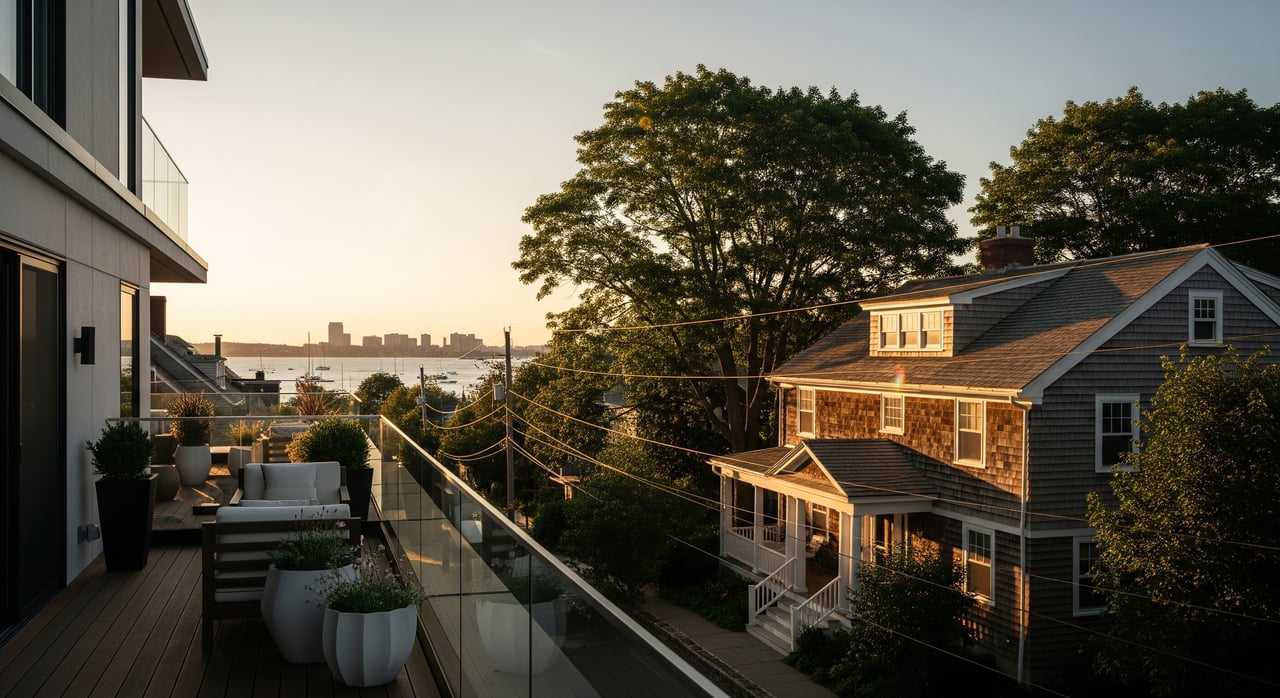
Old Port and Downtown offer the city’s highest concentration of condominiums, loft conversions, and mixed-use buildings. Many properties sit close to the waterfront, restaurants, and cultural venues. You’ll find newer mid-rise projects as well as historic conversions that blend character with modern systems. Parking is often limited or assigned by deed or lease, so it is a major value driver.
West End
The West End is known for historic Victorians and brownstones on tree-lined streets. Some buildings are converted to apartments or condos, but detached single-family homes are common. Expect larger lots than Old Port, with more privacy and potential for outdoor space. Historic-district considerations can shape renovation plans and timelines.
East End / Munjoy Hill
Munjoy Hill and the East End offer a mix of single-family homes, duplexes, row houses, and smaller condo projects. Many buyers prize the walkability to the Eastern Promenade and proximity to Downtown. Housing type and age vary by block, which can create a wide spread in prices and features.
Bayside
Bayside continues to see infill and mixed-use development, including newer condo buildings and townhome-style options. It appeals to buyers who want contemporary design and easy access to Downtown amenities. Assigned parking may be available in some buildings, but policies vary.
What drives purchase price
- Location and views. Blocks closer to the Old Port, waterfront, and core amenities can command higher prices. Water and skyline views add a premium.
- Building type and age. Historic conversions and new construction often price differently due to materials, systems, and energy efficiency. Luxury finishes and modern amenities can lift condo prices to single-family levels.
- Size, floor level, and parking. Larger floor plans, top floors, elevator access, and deeded parking often push pricing up. For single-family homes, lot size and land value weigh heavily.
- Inventory and competition. In Portland’s core, single-family supply can be limited compared with condos, which affects pricing and days on market.
Big picture: condos often carry a lower entry price than single-family homes in the same area, though premium new-build or waterfront condos can equal or exceed some houses. Expect more price dispersion among condos, from efficient studios to luxury penthouses.
Monthly cost beyond the sticker price
Comparing total monthly housing cost is essential. Look at mortgage, property taxes, insurance, utilities, and HOA dues together.
- Property taxes. Both condos and single-family homes pay the same municipal tax rate. Your assessed value and any exemptions determine the actual bill.
- Insurance. Condo owners typically carry an HO-6 policy that covers interior finishes, personal property, and liability. The building’s master policy covers common elements and exterior per its terms. Single-family owners usually carry an HO-3 or similar policy that covers the structure and detached buildings. Check master policy deductibles and coverage to avoid surprises.
- HOA dues. Portland dues vary with amenities, building age, and what is included. Smaller historic conversions often have lower dues. Mid-range buildings fall in the middle. Luxury or waterfront buildings with services like parking and a gym can reach the higher end. Always verify what utilities and services are included.
- Utilities and services. Some condo dues include heat, hot water, water, sewer, trash, and snow removal. Single-family owners budget for all utilities and exterior services separately.
Tip: a lower condo purchase price can be offset by higher dues, while a higher-priced single-family home may have fewer monthly add-ons. Run an apples-to-apples monthly comparison before deciding.
Maintenance and autonomy
Single-family responsibilities
You handle all interior and exterior maintenance, including roof, siding, foundation, landscaping, snow removal, and systems like HVAC, plumbing, and electrical. This gives you full control over timing and quality, but it requires time, planning, and cash reserves. A common guideline is to budget 1 to 3 percent of the home’s purchase price per year for maintenance and repairs.
Condo responsibilities
The HOA or master association typically maintains the roof, exterior, common systems, landscaping, and snow removal. You take care of the interior finishes and personal utilities that are not included in dues. Special assessments can occur if reserves are inadequate for capital projects. Review the condo declaration and bylaws for the exact split of responsibilities.
HOA health and what to verify
Association strength matters for both marketability and your long-term costs. When reviewing a condo, confirm:
- Current monthly dues and what is included
- Reserve study, reserve balance, and planned capital projects
- Recent or pending special assessments
- Insurance master policy type and deductible, and what your HO-6 should cover
- Owner-occupancy ratio and arrears on dues
- Rental policies, including short-term rental rules
A healthy reserve and clear maintenance plan reduce the risk of surprise assessments and can support smoother financing.
Financing and condo approvals
Condo financing includes an extra layer of underwriting. Lenders and some programs review:
- Owner-occupancy percentage and investor concentration
- Reserve adequacy and recent financials
- Insurance coverage and any active litigation
- Percentage of units behind on dues
FHA and VA loans have project-approval requirements. Some buildings may not qualify, which can limit loan options. In certain cases, a lender may allow a single-unit approval. If you plan to use FHA or VA financing, confirm eligibility early to avoid delays.
Lifestyle, parking, and daily routine
- Walkability. Condos in Old Port, Downtown, Bayside, and parts of the East End put you close to restaurants, galleries, and the waterfront. If you want to leave the car parked most days, this may be a strong fit.
- Outdoor space. Single-family homes provide private yards, gardens, and storage for bikes or gear. If you value a patio for summer evenings or room for landscaping projects, a house offers more flexibility.
- Parking. Parking is tight in the core. Many condos offer deeded or leased spots, while some rely on street permits or garages. Single-family homes more often include a driveway or garage.
- Noise and privacy. Condos share walls and common spaces, and each building’s construction affects sound transmission. Single-family homes offer more separation and fewer shared decisions with neighbors.
- Pets and renovations. Condo bylaws often regulate pet breed, size, or number. Structural changes may require board approval. Single-family homes offer more autonomy for renovations, subject to permits and any historic or zoning rules.
Short-term rentals and investment outlook
Portland attracts seasonal visitors, and short-term rentals come with both HOA and city rules. Do not assume a unit is eligible. Confirm association policies and municipal regulations before you buy if rental income is part of your plan. Location, restrictions, and seasonality will shape returns and occupancy.
Decision framework: how to choose
Use these questions to focus your search:
- Lifestyle and location
- How important is daily walkability to the Old Port, waterfront, and dining?
- Do you need private outdoor space, or is a shared terrace or park nearby enough?
- Maintenance tolerance
- Do you want minimal exterior upkeep, including snow and landscaping?
- Budget and cash flow
- Are you comfortable with monthly HOA dues and the possibility of special assessments?
- Will you need FHA or VA financing that could limit condo options?
- Parking and transportation
- Do you require guaranteed off-street parking or a garage?
- Privacy and noise
- Are you sensitive to shared walls or hallway noise?
- Future plans and flexibility
- Are you planning to expand, work from home, or rent the property?
- How important is the ability to renovate on your own timeline?
- Risk appetite
- Can you absorb an unexpected assessment or major repair?
Due diligence checklists
For condos
- Request the full HOA packet: budget, recent financials, reserve study, meeting minutes, declaration and bylaws, rules, rental policy, and any litigation disclosures
- Verify what utilities dues include and which remain your responsibility
- Confirm parking: deeded vs leased, number of spots, and associated fees
- Ask about elevator maintenance and replacement plans if applicable
- Review master insurance coverage and deductible requirements for your HO-6 policy
- Confirm lender eligibility for your loan type, including FHA or VA if relevant
For single-family homes
- Schedule a comprehensive home inspection and add inspections as needed: roof, chimney, radon, lead paint for older homes, septic or sewer scope, and oil tank
- Check floodplain status, easements, and any private road or shared driveway agreements
- Review municipal permits and any open code violations
- Get estimates for routine maintenance and near-term capital needs such as roof, windows, and HVAC
Which option fits you best?
Choose a Portland condo if you want a lock-and-leave lifestyle, walkability to the waterfront and dining, and predictable services included in your dues. It is a strong fit if your schedule is full or you prefer to outsource exterior maintenance.
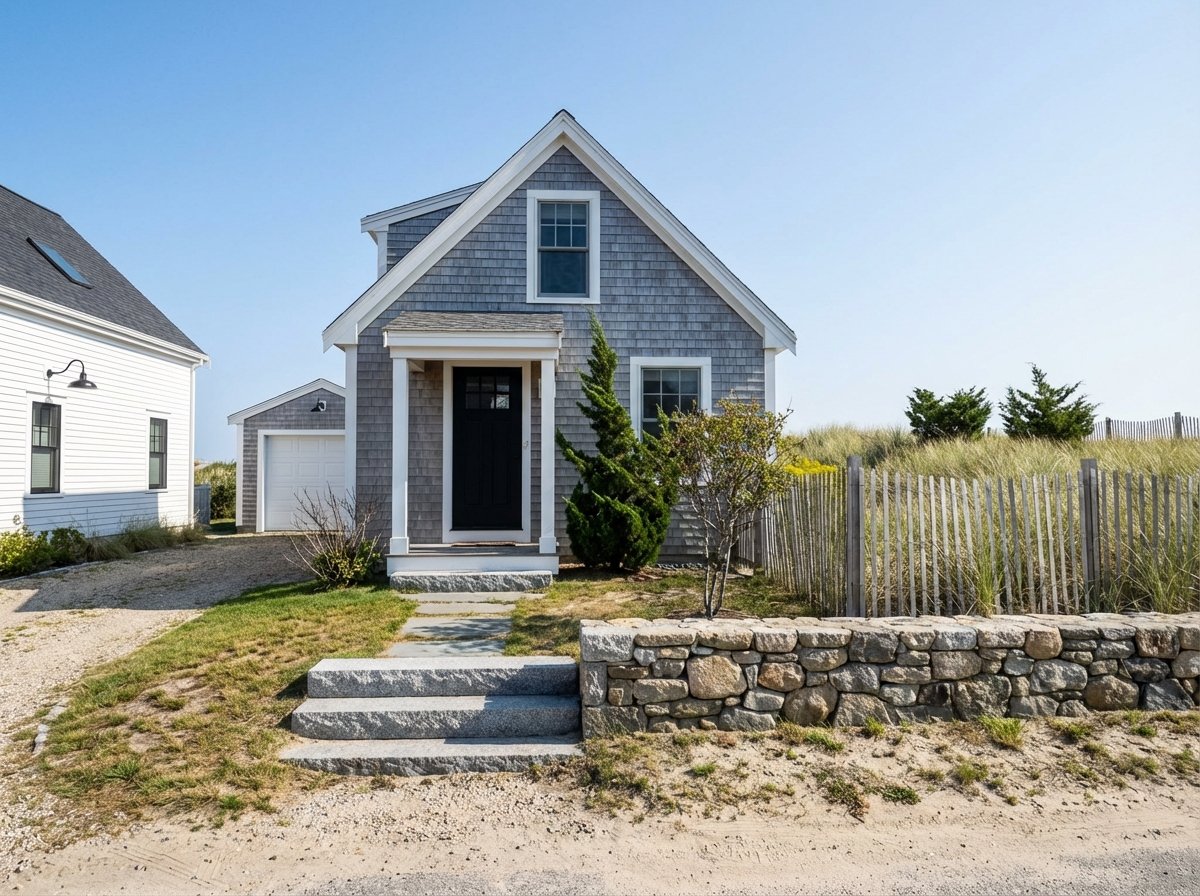
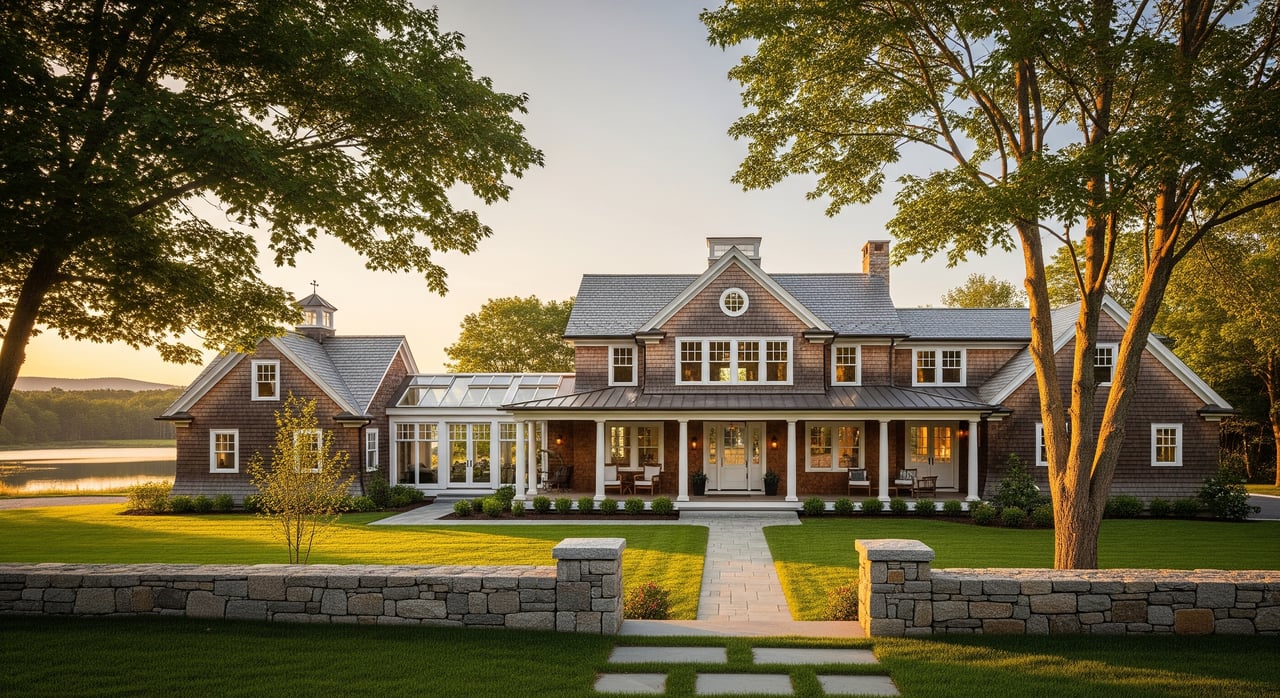
Choose a single-family home if you value privacy, a yard, storage, and freedom to renovate and expand over time. The tradeoff is more hands-on maintenance and potentially higher upfront costs.
Either way, the smartest move is to compare total monthly cost, confirm financing early, and check the details behind HOA health or a home’s long-term maintenance profile.
Ready to refine your search and see on-the-ground options in Old Port, West End, East End, Bayside, or Downtown? Connect with Emilie Levecque for a tailored plan and a private tour schedule that fits your timeline.
FAQs
What are the main cost differences between Portland condos and single-family homes?
- Condos may have a lower purchase price but add monthly HOA dues, while single-family homes often cost more upfront and require you to budget for all maintenance and exterior services.
How do HOA dues in Portland work and what do they cover?
- Dues vary by building and amenities, and may include heat, hot water, water, sewer, trash, landscaping, and snow removal. Always confirm inclusions, reserves, and any planned projects.
Are condos in Portland eligible for FHA or VA financing?
- Some are, but not all. Approval depends on project-level factors such as reserves, insurance, occupancy mix, and litigation. Verify eligibility with your lender early.
Is parking easier with a single-family home than a condo in Portland?
- Usually yes. Single-family homes often have a driveway or garage. Many condos rely on deeded or leased spots, or street permits in the core neighborhoods.
What inspections should I prioritize for an older Portland home?
- In addition to a general home inspection, consider roof, chimney, radon, lead paint for older structures, and septic or sewer evaluations as appropriate.
How risky are special assessments for Portland condo buyers?
- The risk depends on the building’s reserve study, reserve balance, and upcoming capital needs. Strong reserves and proactive planning reduce the likelihood and size of assessments.