Cumberland vs. North Yarmouth vs. Yarmouth: Find Your Fit
January 1, 2026
January 1, 2026
Trying to choose between Cumberland Center, North Yarmouth, and Yarmouth? You are not alone. Each town sits just north of Portland, yet the day-to-day lifestyle can feel very different. In this guide, you will compare commute realities, walkability, lot sizes, outdoor access, and typical homes so you can land where your life fits best. Let’s dive in.
Bottom line: Choose Yarmouth for the most walkable village living, Cumberland Center for a small-village hub with room to breathe, and North Yarmouth for privacy and acreage.
These are drive-first communities. Interstate 295 and US Route 1 connect you south into Portland, with local state routes tying each town to the corridor. Morning and evening peaks add time on approaches to the city, and seasonal weekend traffic can increase on coastal routes.
Yarmouth typically offers the shortest drive into downtown Portland. Cumberland Center is farther inland, so you can expect a longer drive than from Yarmouth. North Yarmouth is similar to or slightly longer than Cumberland Center, depending on your exact location and route.
Public transit options exist at a regional level, but fixed-route service is concentrated in Portland and nearby suburbs. The Amtrak Downeaster does not stop inside these towns, so many residents drive, then transfer if they use rail or bus. Biking is possible for nearby errands, though topography and winter conditions limit practicality for many commuters.
Smart commute tips:
If a walk-to-dinner lifestyle is top of your list, Yarmouth stands out. Its historic center places restaurants, shops, and riverfront parks within a compact, sidewalk-lined area. Smaller lots and village zoning support a true in-town neighborhood pattern.
Cumberland Center serves as a local hub within a mostly rural town. You can live near civic spaces and a small cluster of businesses while still enjoying the surrounding low-density feel. Outside the center, larger lots and a quiet residential setting are the norm.
North Yarmouth leans into country living. Many homes sit on multi-acre parcels with wooded buffers and a farm-and-forest aesthetic. Sidewalks are limited, driveways are longer, and privacy is easy to find.
Zoning tip: Minimum lot sizes and allowable uses vary by district in each town. If you are considering animals, small-scale agriculture, or an accessory dwelling unit, review the town’s zoning ordinance and speak directly with the planning department for current guidance.
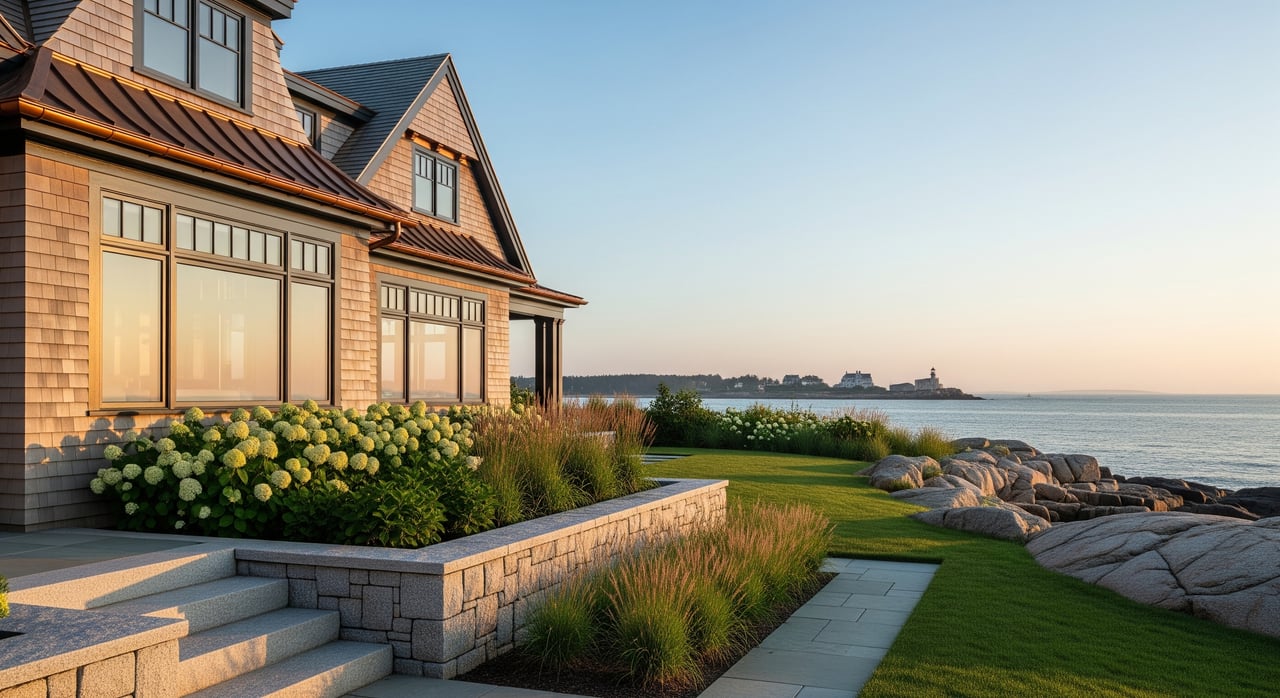
Yarmouth offers easy access to the Royal River and Casco Bay. You will find riverside parks, shoreline trails, and tide-influenced recreation like kayaking and small-boat outings. It is also a quick hop to other coastal destinations, from Portland’s waterfront to nearby Freeport.
Cumberland features inland trails, community fields, and conservation lands used for hiking and cycling in good weather. Larger lots often provide private outdoor space right at home, and nearby lakes and rivers are an easy drive.
North Yarmouth highlights low-impact recreation on local and regional trails, with scenery that includes working farmland and forest. Hiking, mountain biking, and horseback riding are common in and around conserved lands.
Within a 20 to 40 minute drive, you can reach Portland’s cultural amenities, the Sebago Lake region for boating and swimming, and numerous state parks. If your must-have list includes ocean access or a multi-acre homestead, let that priority guide your town choice.
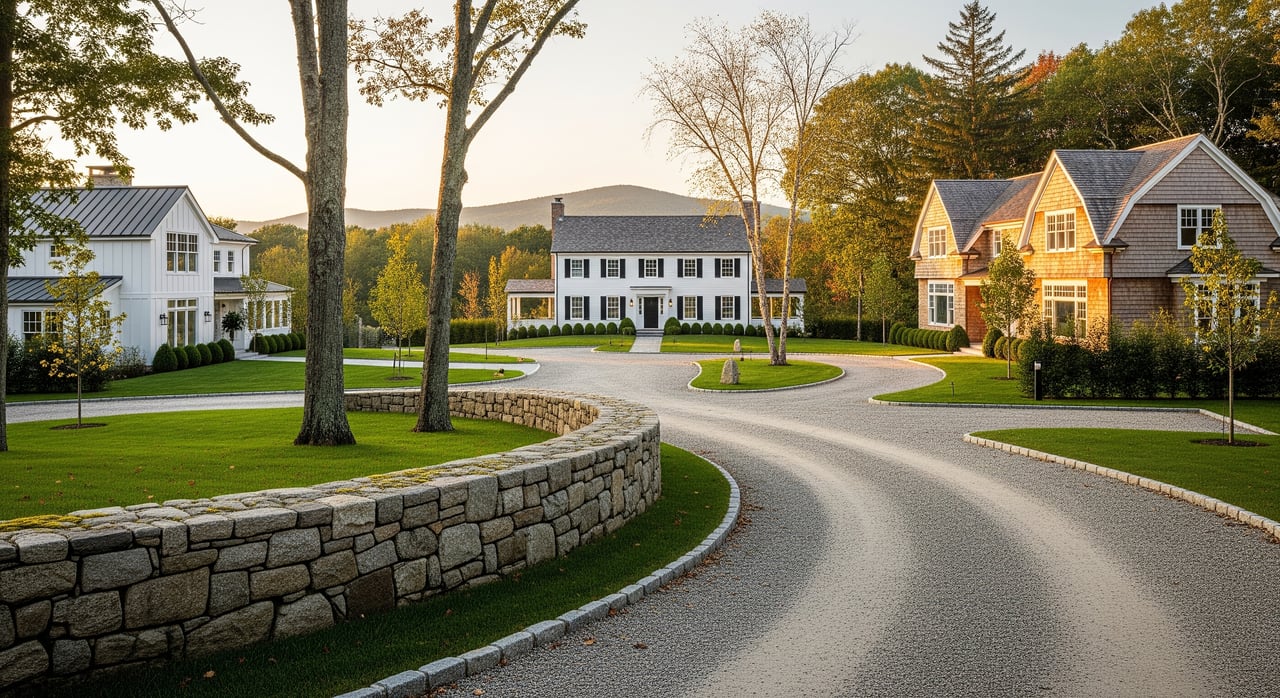
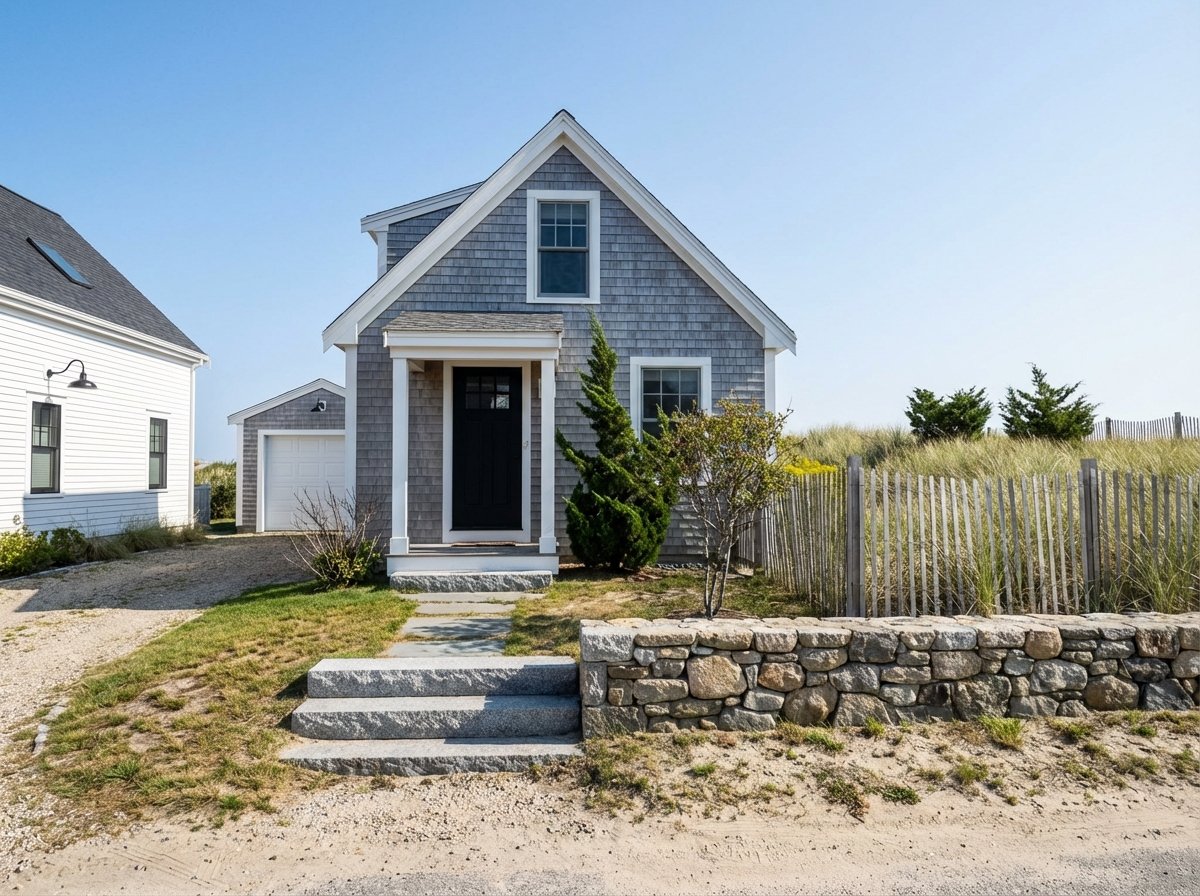
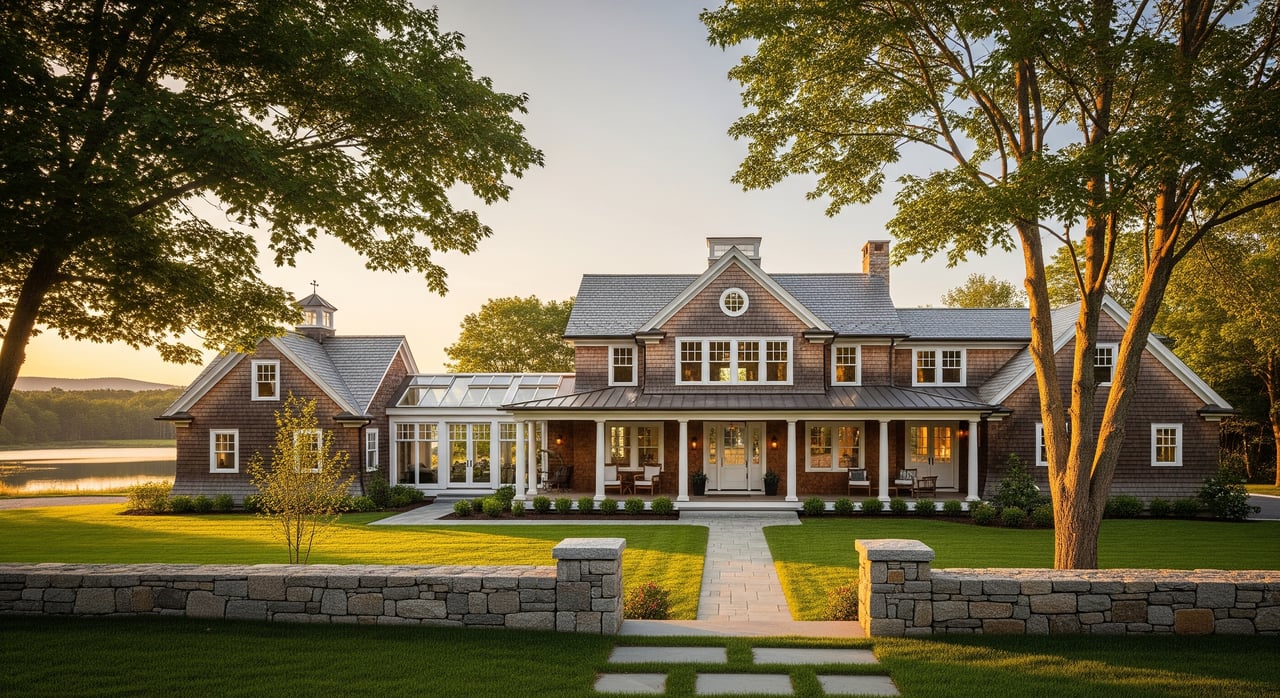
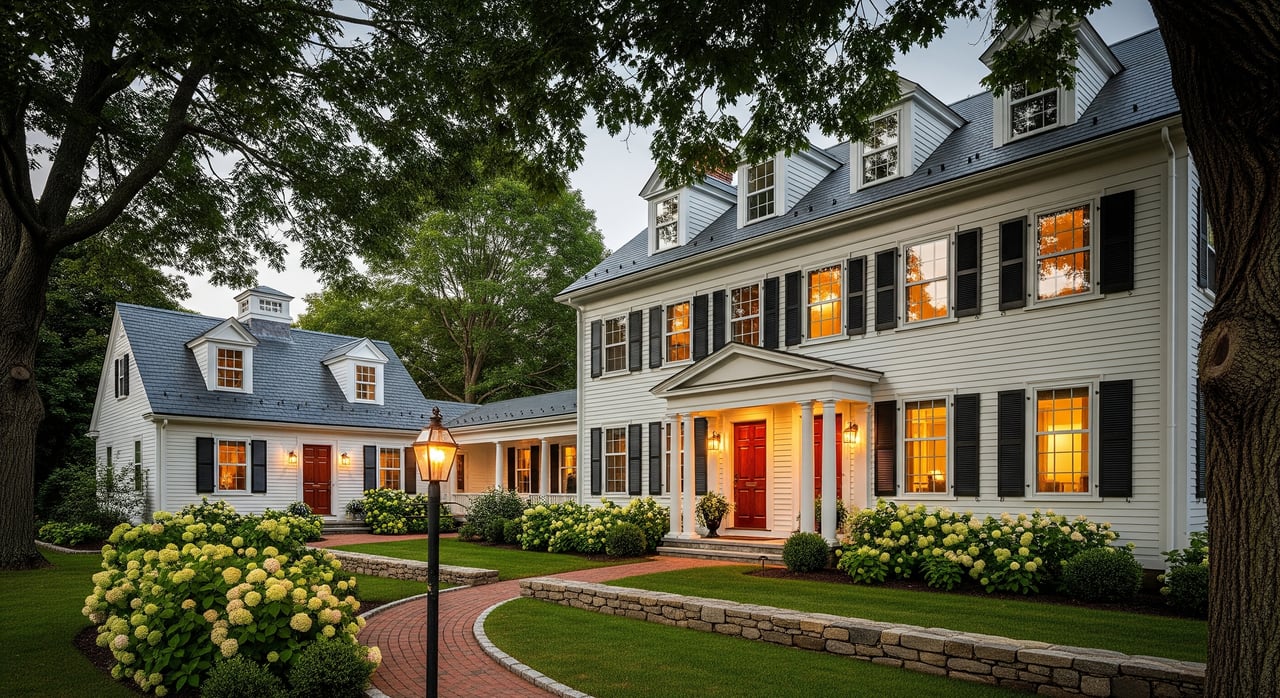
Yarmouth carries a wide mix of in-town historic homes, cottages, condominiums, waterfront properties, and high-end infill. Cumberland combines older New England farmhouses, mid-century ranches and colonials, and newer construction on larger lots, especially outside the center. North Yarmouth skews rural, with farmhouses and newer single-family homes on sizable parcels, and select subdivisions in certain corridors.
Relative price expectations:
Inventory is tight across these desirable towns, and in-town or water-access properties usually command premiums. For up-to-date figures like median prices and days on market, request recent comps from a local professional and review the latest market reports.
School assignments vary by town and district, and many buyers research programs and transportation in detail during their search. Confirm current assignments, specialty offerings, and busing policies directly with the local school departments and state education profiles. Use neutral, data-based sources and talk with residents for on-the-ground context.
Municipal services and ownership costs can also differ. Property tax rates, trash and recycling, winter maintenance, and rules for wells, septic systems, and private roads are set locally. If you are relocating from out of state, ask about septic inspections, well logs, and any homeowners association or private road responsibilities before you finalize an offer.
Match the home to your goals:
If you want a tailored plan that fits your lifestyle and timeline, connect with a local, concierge-level advisor. For private tours, neighborhood guidance, and strategic negotiation in these northern Greater Portland towns, reach out to Emilie Levecque.
We place the greatest importance in our practice on being well-informed of the current market conditions here in Maine & nationwide. We gladly give our time to help train newer agents over the years as a go-to mentor at Portside. Giving back to our wonderful community & state, is the very foundation we was raised on.