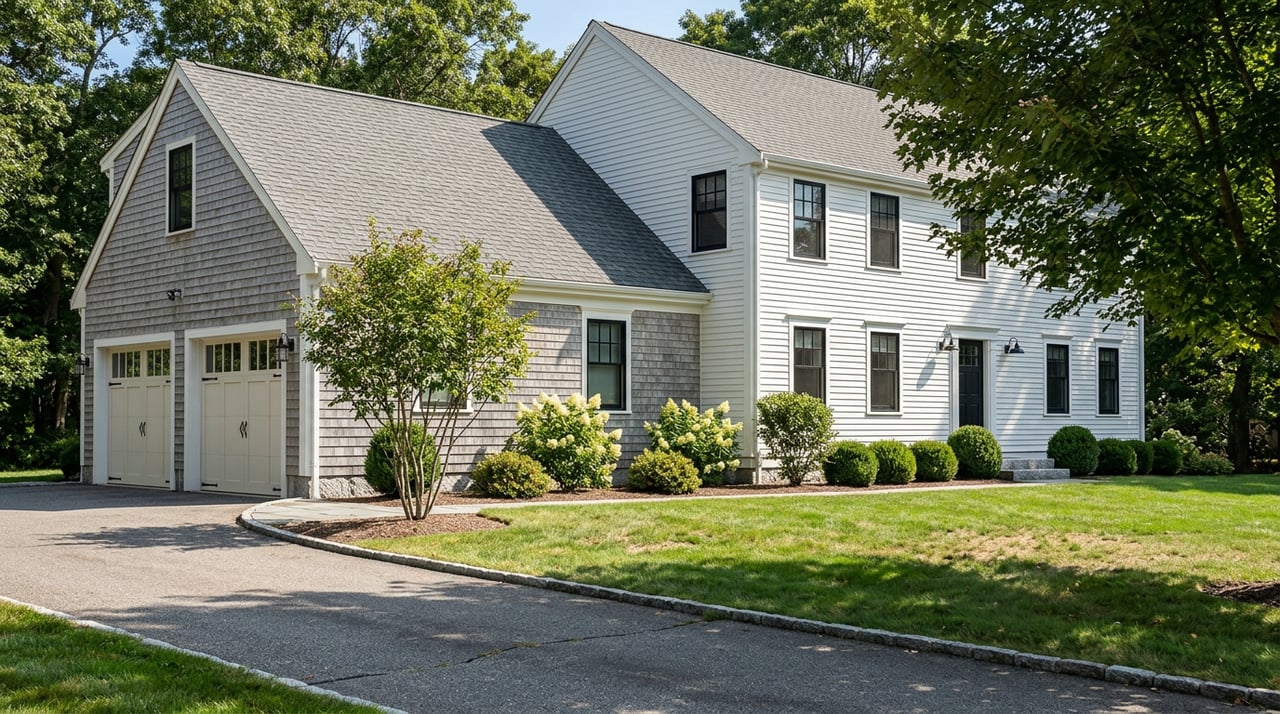
Relocating To Yarmouth: Schools, Commutes, Housing Options
March 24, 2026
March 24, 2026
Thinking about a move to coastal Maine but want an easy commute and strong community feel? Yarmouth gives you a classic New England village setting, access to Portland’s jobs and culture, and a clear set of housing options to fit different lifestyles. In this guide, you’ll get a straightforward look at schools, commute times, neighborhoods, and price ranges so you can decide if Yarmouth is right for you. Let’s dive in.
Yarmouth is a compact town of about 8,990 residents with a coastal, small‑town feel and a walkable village core. The town sits roughly 10 to 13 miles north of Portland, which makes it a practical home base if you work in the city. Off‑peak, the drive can be under 20 minutes; overall, residents report a mean one‑way commute in the mid‑20‑minute range. Local profiles also peg median household income around $100k to $110k, reflecting a relatively affluent community. For town resources, maps, and services, start with the Town of Yarmouth.
Families often look to Yarmouth for its public school district. Independent profiles consistently rate Yarmouth Schools highly in Maine, and the district reports strong outcomes including a graduation rate near 95 percent. You can review program details, Advanced Placement offerings, arts and athletics, and each school’s profile through the district. For an outside snapshot, Niche provides a helpful overview of performance and parent feedback.
Attendance zones can be specific in a small town. Before you make an offer, confirm school assignment for any address with the district or town GIS. Ask the guidance office for the most recent school profile, including AP counts and graduation data, and schedule a tour if possible. If you are considering non‑public options, note that nearby private schools, including North Yarmouth Academy, are within a short drive.
Most commuters drive to Portland via I‑295 southbound or US‑1. Off‑peak drives can be under 20 minutes, while peak traffic and incidents can extend travel time. As a baseline, Yarmouth’s average one‑way commute sits in the mid‑20‑minute range, which aligns with a short suburban drive.
Public transit is available and improving on the Route 1 and I‑295 corridor. Greater Portland METRO operates regional routes serving Yarmouth, Freeport, and Portland, which can be a realistic option if your workplace supports transit passes. Amtrak’s Downeaster provides frequent service to Portland, with nearby stops in Freeport and Brunswick, though there is no Yarmouth station.
Pro tip: Do a drive test during your actual commute windows and check current METRO timetables if you plan to use transit.
Yarmouth offers a mix of village homes, suburban subdivisions, coastal properties, and island living. Inventory is typically tight for a town this size, and desirable homes can move quickly, especially in spring and summer. Because small sample sizes can swing the data month to month, look at recent neighborhood comparables rather than a single town‑wide median.
Here is what you can expect by property type:
Given the pace of the market, you will want a strong pre‑approval, a clear list of must‑haves, and a plan for quick decisions. A local advisor can also preview homes and gather context you might miss if you are relocating from out of state.
Yarmouth’s character shifts by area. Knowing how you want to live day to day will help you zero in on the right neighborhoods.
The village core around Main Street and the Royal River offers sidewalks, shops, restaurants, the library, and community events. You will find historic homes and smaller lots, along with some attached or converted units. The tradeoff is convenience and walkability in exchange for less land and more competition for turnkey properties. Explore civic resources and maps on the Town of Yarmouth site.
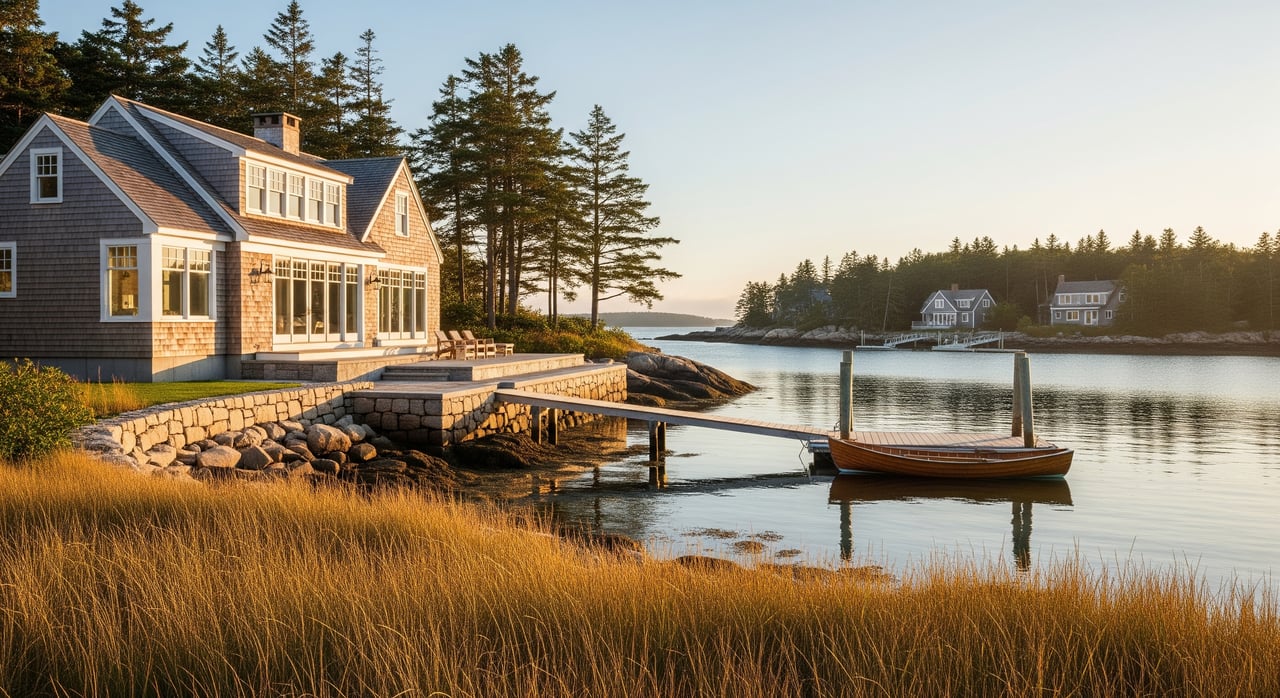
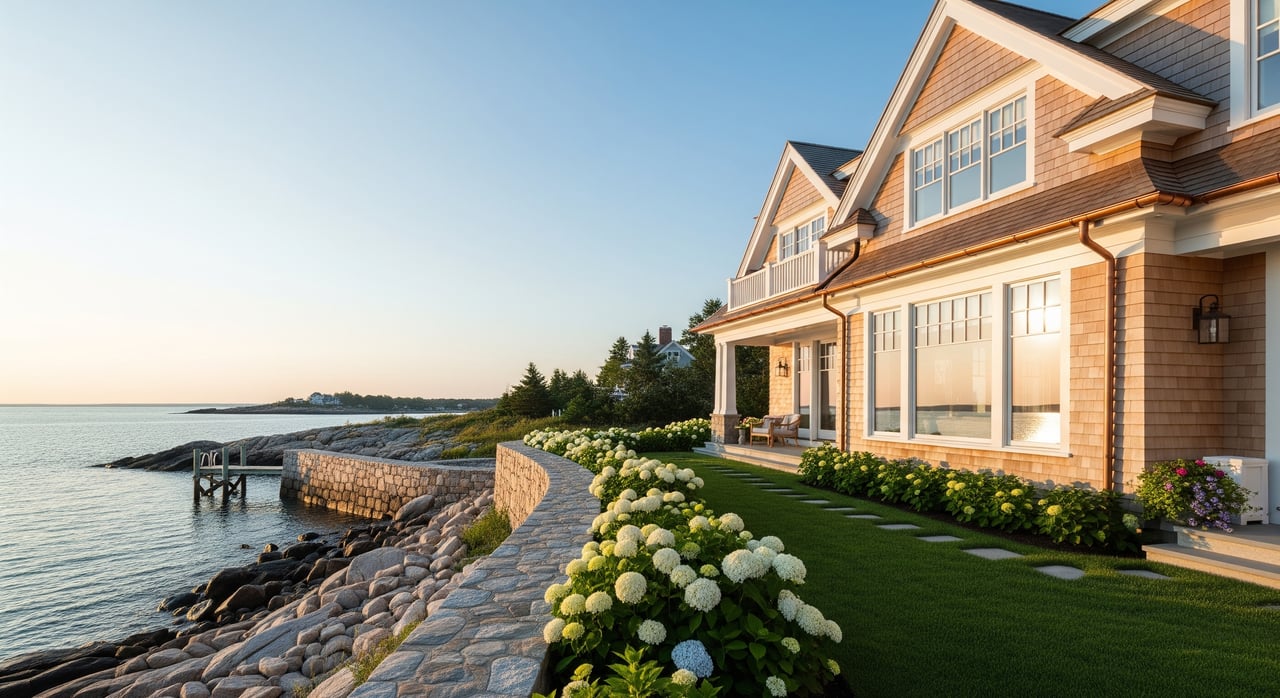
Cousins Island, Littlejohn Island, Wharf Road, and Royall Point offer coastal access and a lifestyle centered around the water. Expect premium pricing and seasonal considerations. If you pursue these areas, confirm mooring rules, insurance needs, and any FEMA flood zone exposure with the town.
North and east of the village, you will see larger lots, newer subdivisions, and greater privacy. Some properties rely on private wells and septic systems. Verify municipal water service through the Yarmouth Water District and confirm sewer versus septic with the town before you buy.
Yarmouth’s quality of life centers on outdoor spaces and a strong civic calendar. Royal River Park, town trails, and nearby conservation lands provide easy access to walking, biking, and river views. Merrill Memorial Library and the community center anchor programming for all ages. In July, the long‑running Yarmouth Clam Festival brings food, music, and family activities to the village, drawing visitors from across the region. Get a taste of the tradition with this Clam Festival roundup.
Use this quick list to move from research to ready:
If Yarmouth’s mix of top‑tier academics, coastal charm, and short commutes fits your goals, it is worth a closer look. The right guidance will save you time, surface quiet opportunities, and help you compete with confidence in a tight market. For tailored neighborhood advice, comps that match your wish list, and concierge‑level touring support, connect with Emilie Levecque. Work With Us.

We place the greatest importance in our practice on being well-informed of the current market conditions here in Maine & nationwide. We gladly give our time to help train newer agents over the years as a go-to mentor at Portside. Giving back to our wonderful community & state, is the very foundation we was raised on.